
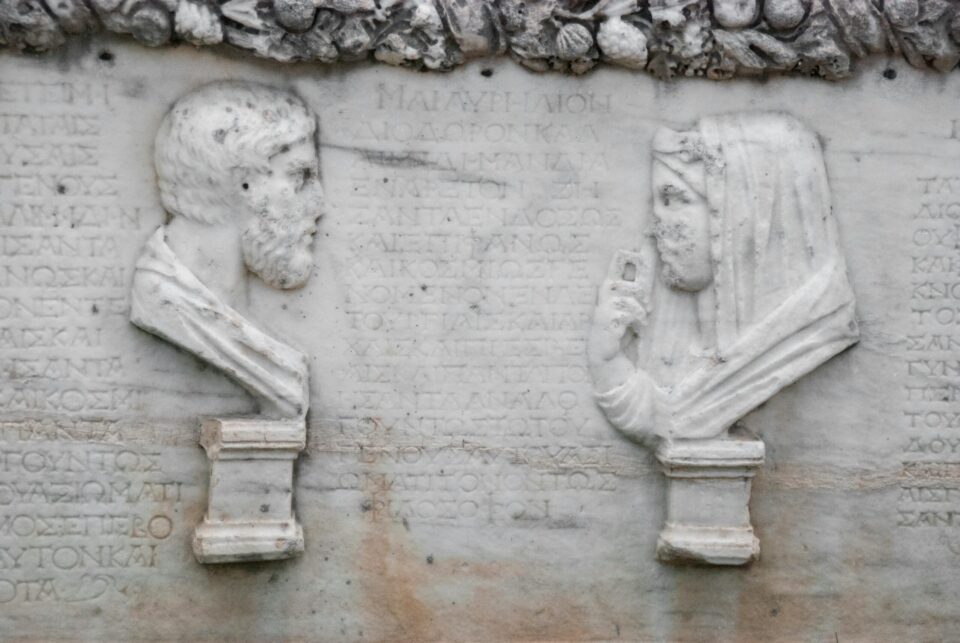
What does it mean to live well? The question appears deceptively simple, yet it lies at the centre of philosophical reflection. From the ethical writings of ancient Greece to the uncertainties of the modern world, philosophers have asked what constitutes a good life, and whether happiness, virtue, or meaning should guide human existence.
Human beings have always sought ways to understand what makes life worthwhile. The search for wealth, success, recognition, or pleasure often promises fulfilment. Yet history repeatedly shows that these pursuits alone rarely produce a lasting sense of satisfaction.
Philosophy emerged in part from this recognition.
The earliest philosophical traditions were not merely concerned with abstract theories. They were deeply engaged with practical questions about how individuals should live. Among these questions, none proved more persistent than the inquiry into the nature of the good life.
In ancient Greece, philosophers approached this problem through the concept of eudaimonia, a term often translated as human flourishing or well-being. The Greek philosopher Aristotle argued that the good life could not be reduced to momentary pleasure or material success. Instead, he believed that genuine happiness arises from living in accordance with virtue.
For Aristotle, human beings possess distinctive capacities for reason and reflection. A flourishing life therefore requires the cultivation of intellectual and moral virtues. Courage, justice, moderation, and practical wisdom allow individuals to navigate the complexities of life while maintaining balance and integrity.
Happiness, in this view, is not a fleeting emotional state but the result of sustained ethical activity.
Another influential philosophical tradition emerged through the teachings of Epicurus. Epicurus is often misunderstood as a defender of indulgence, yet his philosophy offered a far more restrained vision of happiness.
Epicurus argued that the good life consists in the absence of unnecessary suffering. Rather than pursuing excessive wealth or status, individuals should seek modest pleasures, friendship, and tranquillity of mind. By freeing oneself from anxiety and fear, especially the fear of death, a person could achieve a state of calm contentment.
Although Aristotle and Epicurus differed in their emphasis, both philosophers shared an important insight. The good life cannot be achieved through external possessions alone. It requires a thoughtful relationship with one’s desires, actions, and values.
Modern Life and the Problem of Meaning
In contemporary society, the question of the good life often appears in a new form. Rapid technological change, economic competition, and social expectations can produce a sense of constant pressure. Individuals are frequently encouraged to measure success through productivity, financial achievement, or public recognition.
Yet these standards do not necessarily resolve the deeper question of how a meaningful life should be lived.
Modern philosophers and thinkers have returned repeatedly to this problem. The contemporary philosopher Martha Nussbaum, for example, has argued that a flourishing human life requires more than economic prosperity. It also depends upon the development of human capabilities such as education, emotional understanding, social participation, and ethical reflection.
These capabilities allow individuals to live with dignity and to pursue meaningful goals within society.
The persistence of anxiety in modern life suggests that the ancient philosophical question has not lost its relevance. If anything, the conditions of contemporary society may make the search for the good life even more urgent.
The speed of modern life often leaves little room for reflection. Work, communication, and entertainment compete for attention, while individuals struggle to balance personal aspirations with social obligations.
In such circumstances, philosophical reflection can offer a valuable perspective.
Philosophy does not provide simple formulas for happiness. Instead, it invites individuals to examine the assumptions that shape their choices. By reflecting upon what truly matters, people may begin to distinguish between temporary desires and enduring values.
The question of the good life therefore remains both personal and philosophical.
It asks individuals to consider not only what they possess but also how they live, what they value, and how they relate to others. Such questions cannot be resolved once and for all. They require continuous reflection throughout the course of life.
Conclusion
The question of the good life continues to occupy philosophers because it touches upon the most fundamental concerns of human existence. Ancient thinkers recognised that happiness cannot be reduced to wealth, pleasure, or external success. A meaningful life requires reflection, ethical awareness, and a careful understanding of one’s values.
In an age characterised by speed and uncertainty, these insights remain remarkably relevant. The search for the good life may not yield a single universal answer, yet the act of questioning itself remains an essential part of living thoughtfully.